The item carries the new custody state forward.
Its history remains verifiable at the next handover, service event, return, or resale.
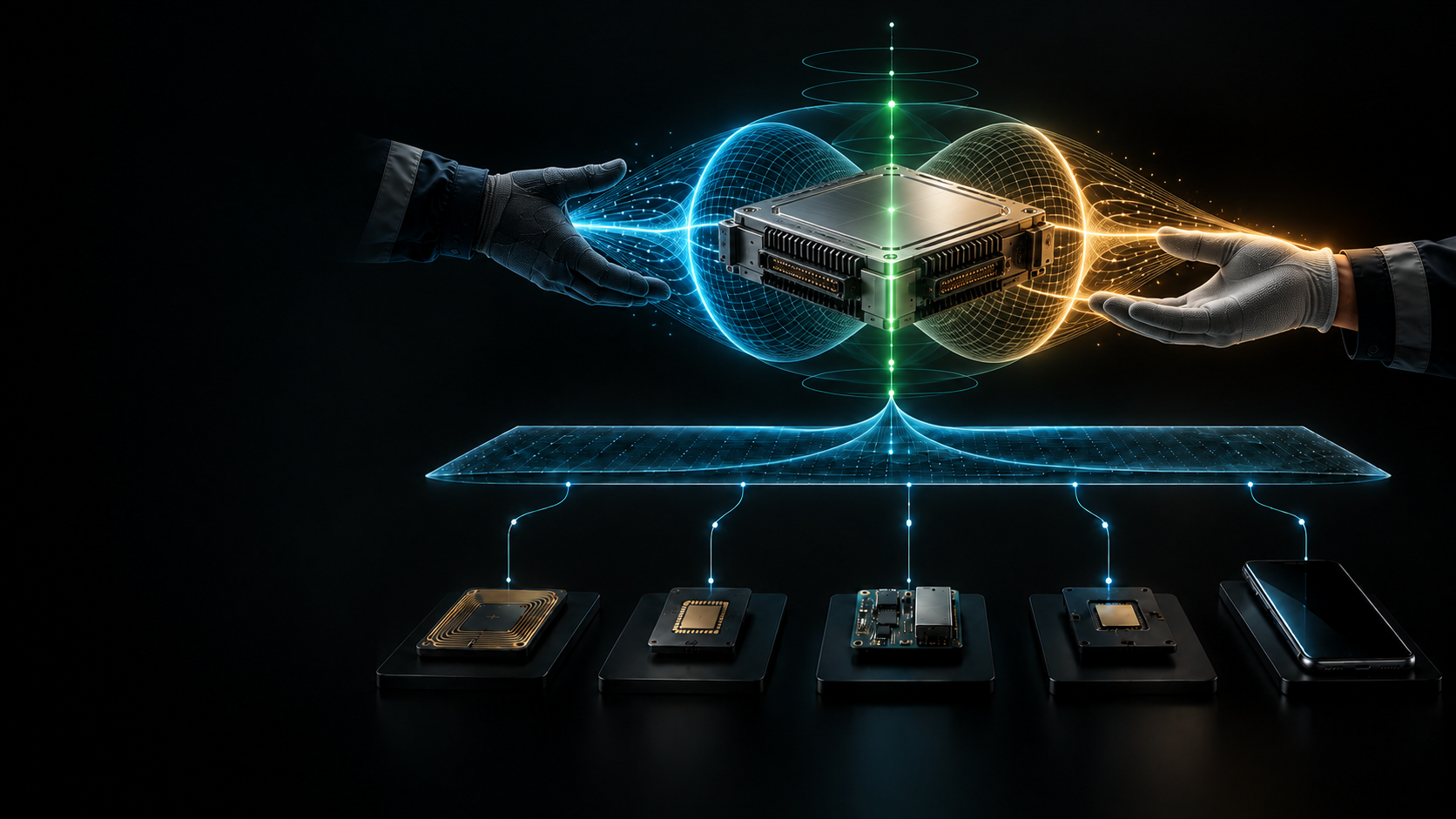
Software above any carrier
Tibel proves when control of a specific physical or digital object passes from its authorized holder to its intended recipient, even offline.
The operational gap
Across manufacturing, logistics, service, resale, and regulated distribution, custody changes hands while the evidence remains split across labels, databases, emails, and partner systems.
When something goes wrong, operators can see an identifier but cannot reliably prove who was authorized to release the item, who accepted it, whether both approved the same event, or whether the record continues from the last valid state.
One item. One accepted next state.
Tibel binds the object, the current holder, the intended recipient, and the live item state into one governed transition. A valid event appends to the history. A mismatched or unauthorized event is rejected.
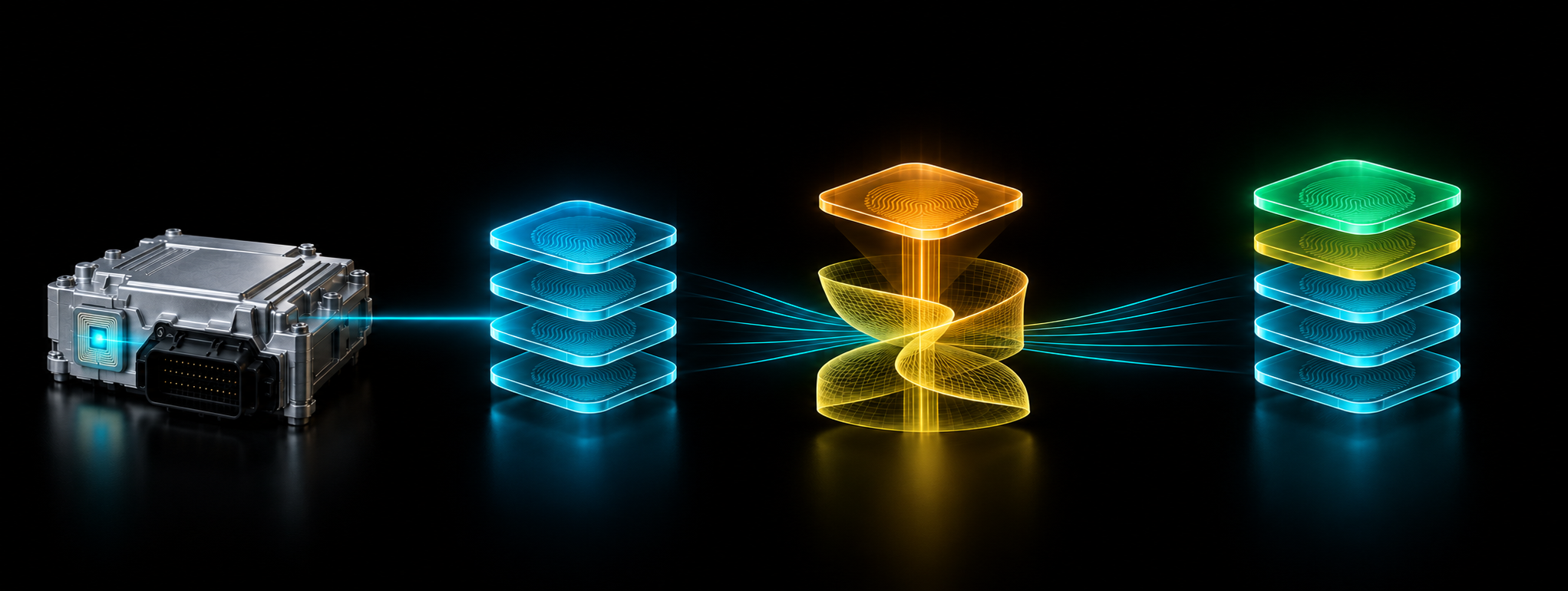
Its history remains verifiable at the next handover, service event, return, or resale.
Copied data, wrong recipients, broken continuity, replay, and rollback fail the transfer policy.
Deploy without replacing the stack
Tibel runs above NFC, RFID, Bluetooth, secure chips, and digital credentials. It verifies locally when connectivity is unavailable, then synchronizes accepted events with ERP, DPP, EPCIS, warranty, claims, or blockchain systems when a connection is available.
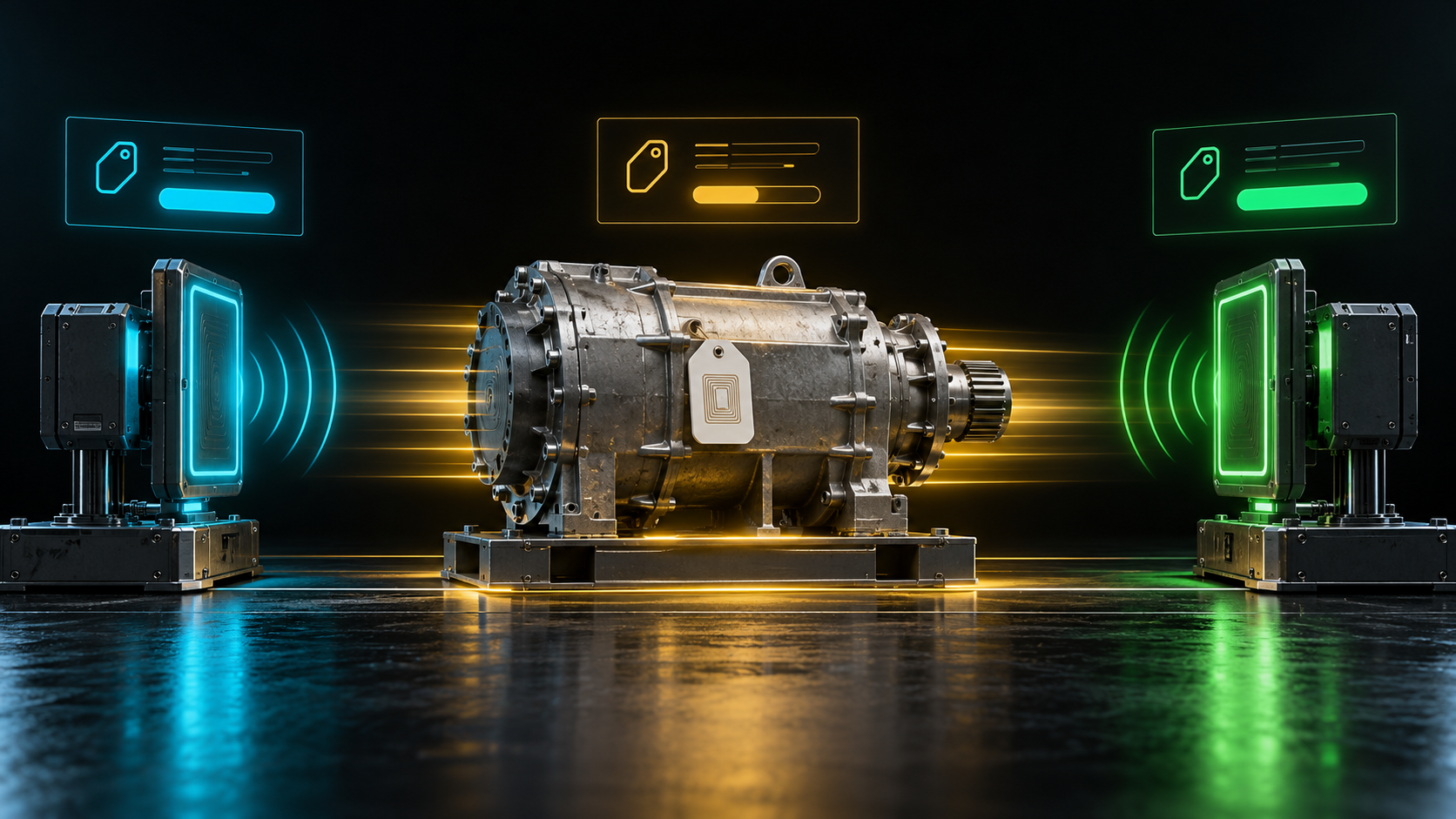
Where custody ambiguity costs money
Prove release, receipt, installation, service, return, and retirement of specific components.
Govern parts, digital keys, maintenance authority, and vehicle-to-owner transfer.
Maintain custody continuity across offline locations, partner boundaries, and exception handling.
Carry provenance into warranty, aftercare, certified resale, repair, and recall.
Apply the same governed transfer logic to credentials, rights, and offline value exchange.
Pilot a real handover
We will map the transfer, carrier, operator roles, offline boundary, and system writeback into a controlled pilot.